Chocolate and Vitamin D
Share
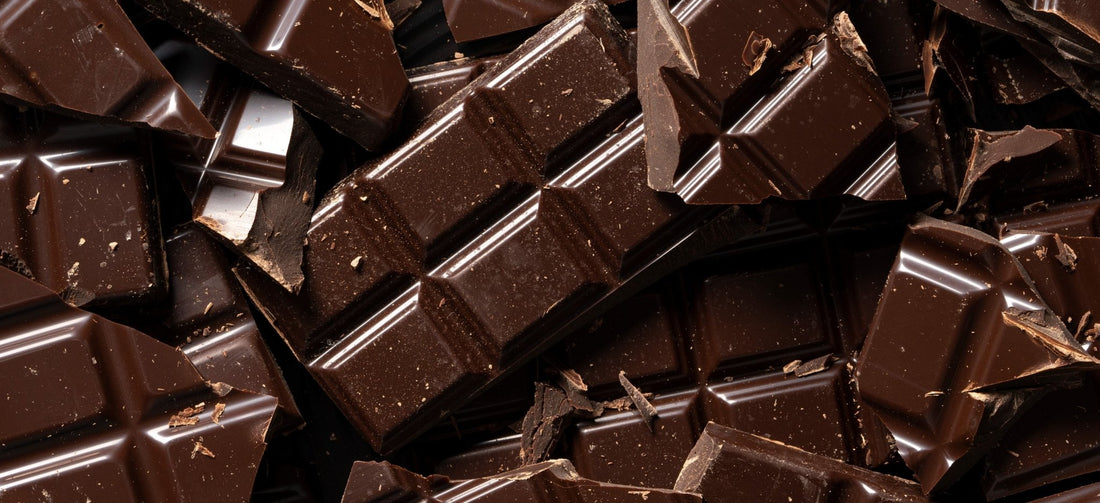
The observation dates back to 2018, thanks to a team of researchers from the Martin Luther University Halle-Wittenberg (1), that there is one more reason to consume dark chocolate: its vitamin D content!
As we all know, vitamin D deficiency is unfortunately widespread in our population, given its importance on many functions of our body, primarily that of the immune system. Another sore point is the fact that its presence in foods is limited to those of animal origin (with the exception of some algae and mushrooms, as we have already explained to you in detail!!), which many consumers consume little or nothing at all (vegans ).
Let's understand more closely how it is formed by explaining the process that leads from the cocoa plant to chocolate (2):
- Harvesting, the fruits are collected from the plants, crushed and left to rest for a few days before extracting the internal seeds;
- Fermentation lasts about 5 days and consists of keeping the seeds (and often the pulp of the fruit) at a temperature between 45 and 50 °C. In this phase the seed is rendered inactive, thus suspending its ability to germinate, and the pulp softens and dissolves;
- Drying can take place in the sun or with artificial techniques. In the first case the cocoa is of higher quality. In this phase, which lasts from one to two weeks, the seeds are deprived of humidity which could facilitate the formation of mould;
- Toasting or roasting, a process that consists of subjecting cocoa beans to a high temperature for a rather prolonged period, from 70 minutes to two hours. The roasting temperature varies depending on the final product and is lower for cocoa intended for the production of chocolate (between 98 and 104°C) while it is higher for that of cocoa powder (between 116 and 121°C);
- Decortication, in which the toasted seeds are stripped of their skin and buds.
- Fat extraction: cocoa can be sold as is or it is possible to continue the manufacturing process to extract the fat present in the seeds, the famous cocoa butter. This fat, present in a high percentage in the seeds (above 50%), is partly separated and collected in cakes. The remaining product still contains a variable percentage of cocoa butter, usually between 20 and 28%. The manufacturing process ends with the grinding of the cocoa and the possible removal of any remaining fat.
The fermentation phase described in point 2) involves fungi and yeasts that produce the precursors of vitamin D, mainly ergosterol . The fact that the production process involves subsequent exposure to the sun (in point 3) to ensure drying means that the ergosterol molecule is naturally converted into ergocalciferol , also known as vitamin D 2 .
Since the process is completely natural and "random", it is not possible to predict the quantities of vitamin D in the finished product, however it is known that the chocolate with the greatest quantities of the vitamin will always be the dark one with high percentages of cocoa, which is also the best in terms of nutritional, having lower quantities of sugars and higher levels of polyphenols, molecules with high antioxidant power.
Concluding:
Chocolate, in addition to being a precious source of polyphenols, is unexpectedly a source of vitamin D, a very important "superhormone" for our body and which we often lack.
In many IoBoscovivo products, which thanks to our Shiitake have high quantities of vitamin D, we take care to add high quality dark chocolate with a high cocoa content (80% in the bar and covered breadsticks, 70% in biscuits and preparations for Mug Cake and Porridge), to ensure a correct intake of vitamin D without giving up the pleasures of good food!
Bibliography:
- Julia Kühn et al, Cocoa and chocolate are sources of vitamin D 2, Food Chemistry (2018). DOI: 10.1016/j.foodchem.2018.06.098
- https://www.stagioninelpiatto.com/ingredienti/come-produce-cioccolato-fasi- Lavorazione-tipologie/