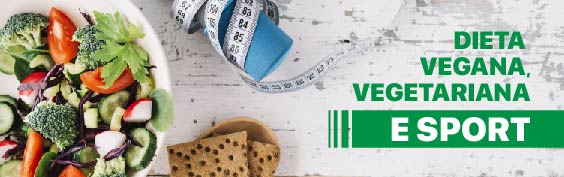
Are VEGAN and VEGETARIAN diets compatible with SPORT?
Share
If today we know very well the benefits brought by a vegetarian diet in reducing the rates of obesity, type II diabetes, cardiovascular diseases and various types of cancer, still few people know that this type of diet is perfectly compatible with the needs nutritional information of a sportsman or athlete, taking into account the possible need to integrate some nutrients.
Whether athletes are omnivores, vegans or vegetarians, the indications on nutrition do not change: it is necessary to avoid nutritional deficiencies, negative energy balance, dehydration and to distribute meals regularly throughout the day.
The only variation found is compared to the healthy but SEDENTARY population and concerns the intake of proteins, which may be a little higher in athletes regardless of whether they are omnivores, vegetarians or vegans.
Let's explain the differences
In recent years, with the progressive increase in the world population and the continuous exploitation of the earth's resources, nutrition models that have a low environmental impact and can be followed for a long time over time are being valorised.
From these assumptions arise diets that avoid foods of animal origin, among which we recognize:
- the vegetarian diet: which does not include the consumption of meat, fish, molluscs and crustaceans, but allows, in different ways, the consumption of animal derivatives such as eggs and dairy products;
- the vegan diet: which instead promotes a slightly more "restrictive" diet, eliminating all products of animal origin, including derivatives.
But is it possible to follow a diet of this type and practice physical activity at high levels without running into health problems?
It is certainly easier to reconcile sport and a vegetarian diet and with some small precautions it is in fact possible to satisfy all the needs even of an athlete, resorting to supplementation if necessary, such as vitamin B12 and omega 3 fatty acids.
As regards the vegan diet, a study published in the Journal of the International Society of Sports Nutrition attempts to answer the question, however, by stating that there is currently little consistent scientific data relating to this topic and specifically addressed to the sports population.
An improvised vegan diet that is not adequately balanced for the individual will more likely tend to provide a lower quantity of proteins, vitamin B12, ω-3 EPA and DHA fats, calcium and iodine compared to omnivorous diets, and at the same time may also determine a greater intake of carbohydrates, fibre, micronutrients, phytochemicals and antioxidants.
Especially for those who follow a diet of this type, it is therefore very important to manage food choices, paying particular attention to the correct intake of all macro and micronutrients and evaluating the possible need for supplementation.
Here are some general suggestions that may be useful for athletes who choose to follow a vegan lifestyle:
- Vary the protein sources as much as possible, so as to take in good quantities of all the essential amino acids;
- include foods rich in essential fatty acids such as flax seeds, walnuts, chia seeds and others in your diet. If this is not sufficient, it is possible to evaluate with a specialist the use of supplements of completely vegetal origin;
- consume foods rich in iron, possibly together with a source of vitamin C, to increase its availability. It may also be useful to limit the consumption of foods containing substances that reduce the intestinal absorption of iron, such as tea, coffee and cocoa;
- eat foods naturally rich in zinc, such as pumpkin seeds, cereals, dried fruit and legumes, and calcium, such as broccoli, cabbage and Chinese cabbage.
- take adequate doses of vitamin B12 through correct supplementation or from fortified foods as we find this vitamin only in foods of animal origin and therefore its intake is zero.
- Evaluate supplementation with vitamin D as they are often deficient compared to vegetarians who instead manage to get it from milk and eggs, or the intake of functional foods such as IoBoscoVivo shiitake mushrooms which constitute an excellent VEGETABLE source of this vitamin!!
For some, a vegan diet is the manifestation of important ethical beliefs and requires diligence to uphold. However, it is important that similar conscientiousness is also used to achieve nutritional adequacy, which if not managed appropriately could be to the detriment of physical performance and, more generally, long-term health. It is important that athletes are directed and helped by competent professionals in order to constantly monitor blood nutrient values so as to prevent any possible health problems related to nutrition.
Bibliography
- Rogerson, D. (2017). Vegan diets: practical advice for athletes and exercisers. Journal of the International Society of Sports Nutrition , 14, article 36. Available at https://doi.org/10.1186/s12970-017-0192-9