The Shiitake mushroom is our “second brain”
Share
Shiitake is a mushroom commonly used in traditional Chinese medicine as it contains Lentinan, a soluble beta-glucan, which makes it an effective prebiotic.
Within the vast group of dietary fibres, beta-glucans have in fact highlighted positive effects on the intestinal microbiota, effects which are not common to all fibers (all prebiotics are fibre, but not all fibers are prebiotics). Prebiotics were defined in 2010 as «selectively fermented ingredients that induce specific modifications in the composition and/or quantity of the intestinal microbiota, bringing beneficial effects to the health of the host».
Prebiotics constitute a real " food " for intestinal microorganisms which, through the fermentation of prebiotic fibres, produces substances called " Short Chain Fatty Acids " ( SCFA ), i.e. short chain fatty acids (butyrate, propionate, acetate, lactate) with beneficial effects for the body.
Why is the prebiotic effect so important?
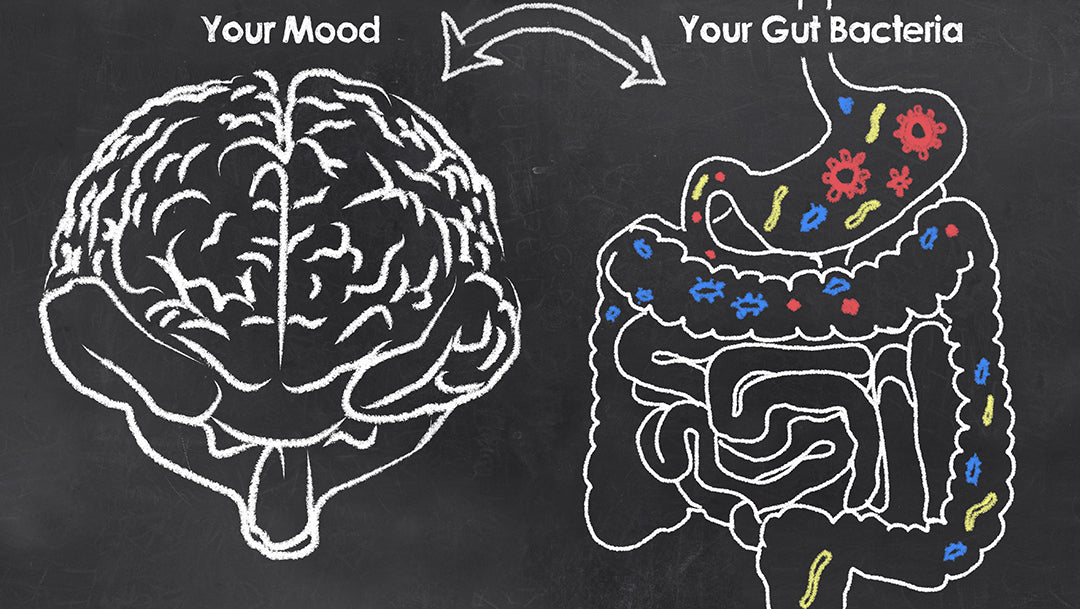
The intense exchange of information between the brain, the intestine and the microbiota continues for twenty-four hours a day, whether we are asleep or awake, from the first to the last day of our life... and all this communication is not limited to coordinate basic digestive functions, but it impacts our human experience, which includes how we feel, how we make decisions, how we socialize, and how much we eat. And if we listen carefully, this dialogue can also guide us to optimal health.
We live in unprecedented times: what we eat and drink has dramatically changed, and we are exposed to more chemicals, drugs and antibiotics than anyone who has ever lived before us. We are beginning to understand how such changes, along with chronic stress, can impact not only gut microbes, but also their complex dialogue with the gut and brain. These conversations have an important and consolidated role in common syndromes of the gastrointestinal tract, in particular IBS (irritable bowel syndrome), as well as in some forms of obesity. And we are beginning to recognize how perturbations of the gut microbial world can affect our brains.
Recent studies have associated altered interactions between the brain, gut and microbiota with brain disorders such as depression, anxiety, autism, Parkinson's and even Alzheimer's. But even those of us who do not suffer from these pathologies can improve our health by learning more about this vital dialogue... which is why it is increasingly important when choosing foods to pay attention to their role in our microbiota.
What damages this heritage represented by the microbiota?
Unfortunately, the food industry often does not consider the complexity of the microbial world and the importance of the natural diversity of life, choosing instead to maximize profit and profitability.
The industrial farming of cattle, poultry, fish and seafood challenges, in many realities, ecological principles, devastating nature and creating sustainable food chains only through the use of antibiotics and other chemicals. Furthermore, the waste produced by these farms, and the antibiotic-resistant microorganisms that manage to escape, also damage outdoor habitats.
Reduced microbial differentiation in soil, plants and the gastrointestinal tract of farm animals could ultimately damage our gut microbiome and nervous system. The pesticides and antibiotics sometimes used, in addition to posing a risk to the human body, are likely to also affect the functioning and health of our intestinal microbes and their interactions with the brain...as well as polluting our planet.
In conclusion
Since Shitake Betaglucans are soluble, fermentable and viscous fibres, they represent a type of fiber which, compared to the "traditional" insoluble one (such as cereal bran, often associated by consumers with the concept of fibre) does not provide unpleasant side effects, such as constipation and sense of heaviness; it has positive effects on the intestinal microbiota, with all the positive effects set out in the previous paragraphs.
In addition to exerting a prebiotic effect, this mushroom also has a powerful antimicrobial and antifungal effect, so much so that it inhibits the growth of 85% of pathogenic microorganisms (including 50% yeasts).
A scientific study has highlighted a reduction in the Firmicutes/Bacteroidetes ratio with a consequent effect of improving metabolism and weight control.
In fact, it has been found that the increase in the Firmicutes/Bacteroidetes ratio is associated with an increased risk of increasing body mass, the development of metabolic syndrome and type 2 diabetes.
Furthermore, IoBoscoVivo has a mission linked to environmental sustainability, a value underlying the protection of the microbiota of each of us... the IoBoscovivo Shiitake is of EU origin and from organic cultivations, therefore controlled from the point of view of environmental pollutants, toxins and pesticides, enemies of our microbiota.
Bibliography
- Mayer, Emeran. Mind-belly communication (Italian Edition) . Editions The Meeting Point. Kindle Edition.
https://www.amazon.it/comunicazione-mente-pancia-conversazione-nascosta-influenza-ebook/dp/B06XDFCB9K - Dai X, Stanilka JM, Rowe CA, et al. Consuming Lentinula edodes (Shiitake) Mushrooms Daily Improves Human Immunity: A Randomized Dietary Intervention in Healthy Young Adults . J Am Coll Nutr. Apr 11 2015:1-10 ;
https://www.tandfonline.com/doi/abs/10.1080/07315724.2014.950391?src=recsys&journalCode=uacn20 - Muthukumaran J, Cheng J, Chung SSM, Baojun Xu (2018) A critical review on the impacts of β-glucans on gut microbiota and human health.J Nutritional Biochemistry 61: 101–110
https://pubmed.ncbi.nlm.nih.gov/30196242/ - - Carlson JL, Erickson JM, Hess JM, Gould TJ, Slavin JL. (2017) Prebiotic Dietary Fiber and Gut Health: Comparing the in Vitro Fermentations of Beta-Glucan, Inulin and Xylooligosaccharide. Nutrients 9(12):1361.
https://www.microbiologiaitalia.it/micologia/i-funghi-medicinali-come-nuovi-prebiotici