Glycemic index
Share
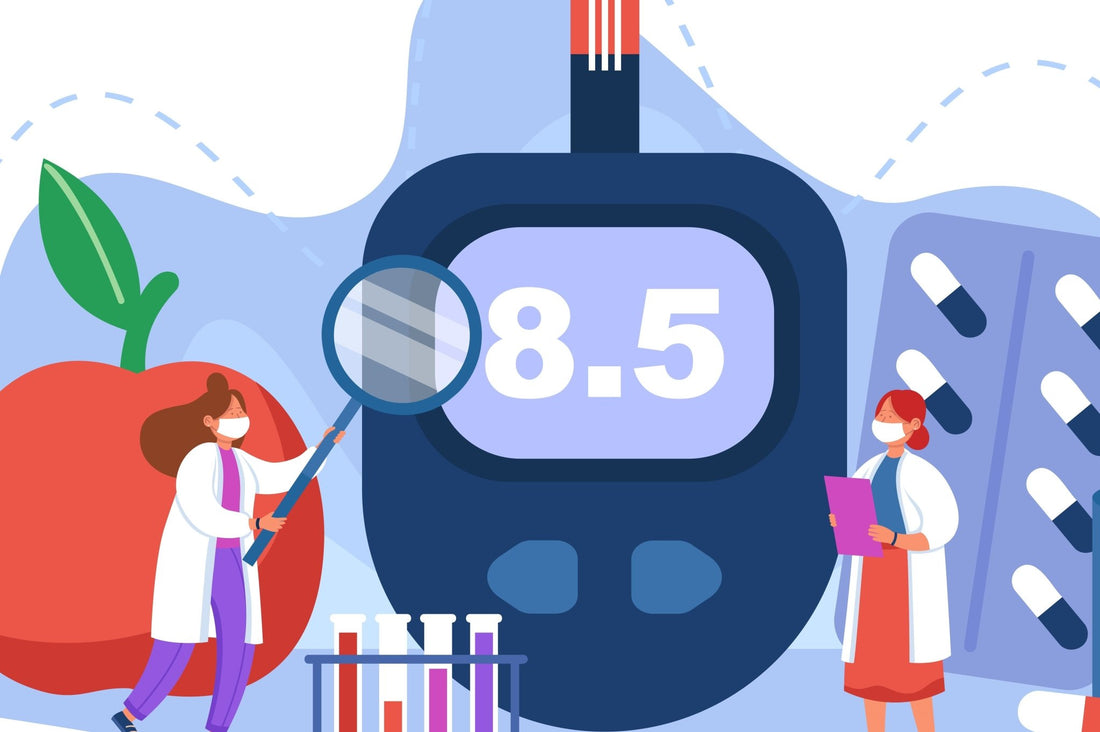
Today we want to introduce the concept of Glycemic Index (GI). A term that is increasingly gaining ground in reference to this macronutrient and which allows us to classify foods containing carbohydrates based on their effect on blood sugar levels after a meal.
More precisely, the GI indicates the increase in glycemia, i.e. blood sugar, following the ingestion of a portion of a food compared to another reference (glucose or white bread), with the same carbohydrate content.
Avoiding sudden fluctuations in blood sugar means keeping insulin levels under control, a hypoglycemic hormone produced by the β cells of the pancreas, which if present in excess facilitates the accumulation of fat and hinders weight loss.
Let's see it in practice:
When we eat a dish of pasta, the starch present is digested and from this the monosaccharide units of glucose are released which can be absorbed at the intestinal level and pass into the blood thus causing an increase in blood sugar. However, to check how much blood sugar actually increases following the ingestion of a specific food, I can compare it with the standard reference food. The current reference standard is a solution containing 50g of pure glucose which can be compared with another food as long as it has a quantity of carbohydrates equal to 50g. But be careful, because 50g of carbohydrates in the case of pasta does not mean consuming 50g of pasta but a little more given that in this food, in addition to carbohydrates, other macro and micronutrients are also present!
By comparing it with pure glucose which is assigned a GI value of 100, it was possible to identify the GI of different foods by defining a GI scale:
- GI≥ 70 up to 100: foods with a high GI are defined
- GI between 51 and 79: defined as foods with medium GI
- GI ≤ 50: defined as foods with low GI
The glycemic index is a useful parameter to consider, but on its own it is incomplete, in fact it only takes into account the quality of carbohydrates while the glycemic response to a food is also significantly influenced by the quantity of carbohydrates, for this reason another index or the Glycemic Load (CG) which takes into consideration the portion, or the quantity of food we are eating!
The CG is calculated by multiplying the quantity of carbohydrates present in the food by the GI of the food and dividing everything by 100. The value obtained allows us to evaluate how much our blood sugar can actually be influenced following the intake of a precise food in a pre-established portion and certainly represents a more precise indicator than the simple GI.
In reality, this concept cannot be limited to calculating the glycemic response to carbohydrates because when we eat we hardly feed ourselves exclusively on this macronutrient! Furthermore, if "traditionally", counting calories, we would be led to think that a dish of pasta with tomato is more "dietetic", in reality the addition of fats such as raw extra virgin olive oil and parmesan (or vegan alternatives to the same) thanks the presence of fats slows down the glycemic peak.
Therefore we can say that a more correct calculation should be further extended by taking into consideration the composition of the food and more generally of the meal we eat as there are many factors that can affect the rise in blood sugar! Among these we find first of all the type of starch, the presence of proteins or fats, the presence of insoluble fiber which cannot be digested, but also the cooking and preservation of the food itself. For example, compared to other desserts, ice cream, with the same sugar content, has a lower GI thanks to its temperature, and this is linked to the "work" that our digestive system must carry out to bring it to its temperature and this determines a slowdown in the speed with which sugars reach the bloodstream. Another example can be given with potatoes, considered a high GI and also CG food: by consuming them once they have cooled and combining them with a large portion of vegetables, you obtain an overall dish with a lower effect on blood sugar than that which can result from intake of only the portion of potatoes!
Let us know if you liked it, contact us for any information by email: info@ioboscovivo.it or on our social networks: facebook (IoBoscoVivo), instagram (@ioboscovivo_healthy)! Also come to our shop to learn about all the IoBoscoVivo products!!