
MUSCLE MASS: indicator of health status
Share
The human body is made up of two types of tissues: lean mass and fat mass. Fat mass is made up of anhydrous body fat and in the reference man constitutes approximately 15% of body weight. Lean mass, on the other hand, represents approximately 85% of weight and is anatomically made up of skeletal muscles (approximately 40%), non-skeletal muscles, lean tissues and organs (approximately 35%) and the skeleton (approximately 10%).
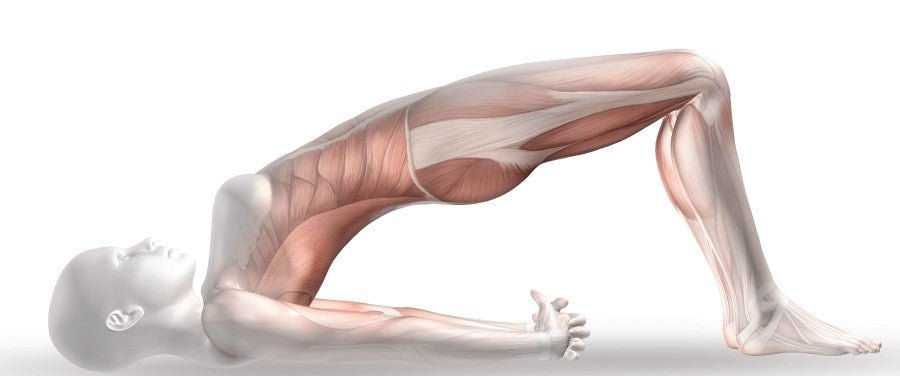
Skeletal muscle, which represents the main component of lean mass, is a tissue to which great attention has been paid in the world of body composition because, if stimulated correctly, it can greatly increase its volume and metabolic functions.
Mainly the muscle has three macro functions:
- provides support, movement and strength
- it stores water and glycogen and is a potential energy reserve
- produces anti-inflammatory cytokines (in this case defined as myokines).
When the intake of nutrients, in particular proteins, through the diet is insufficient and physical activity is inadequate, the body uses muscle as a source of energy, consequently leading to a loss of muscle mass and therefore lean body mass. Loss of muscle mass can have negative consequences and affect several aspects of life, including mobility and independence, the ability to carry out activities of daily living and quality of life.
The loss of muscle mass is a physiological process with advancing age but some conditions such as chronic diseases, prolonged immobilization, malnutrition, bedridden and post-hospitalization can accelerate this natural process and lead to a decline in muscle mass. strength and/or muscle function resulting in a condition called sarcopenia.
It is important to know, however, that these alterations in body composition can also occur regardless of age and body weight and more and more studies identify the reduction in muscle mass as a predictive factor of increased morbidity and mortality in the population.
The study “Implications of Low Muscle Mass across the Continuum of Care: A Narrative Review” published in September 2018 in the journal Annals of Medicine , provides an overview of the influence of low muscle mass on the health status of patients in hospital clinical settings, outpatient and long-term care. What emerges is how reduced muscle mass is associated with greater surgical and post-operative complications, longer hospital stay, more limited physical performance, lower quality of life and lower survival. Therefore, the authors believe that the potential clinical benefits deriving from the prevention and reversal of this condition in patients affect not only their health status but also the use of resources and therefore healthcare costs.
Body mass measurement parameters such as weight and body mass index (BMI) have long been regarded as practical and sensitive tools for determining health conditions and predicting related risks. For years, BMI has been used to evaluate the health of patients but this, if not adequately interpreted, can be misleading since it does not distinguish between the different body components. In fact, although they are very useful, these measurements do not represent an individual's variability in body composition i.e., lean tissue versus adipose tissue rather than body water and it is also good to keep in mind that body composition can be variable between individuals of the same size, thus confounding the association between body weight and health.
For this reason, especially in hospital contexts or in general in situations of compromised health conditions, more clinically valid tools are needed to measure body composition for both screening and routine checks.
Bibliography:
- Prado CM, Purcell SA, Alish C, et al. Implications of low muscle mass across the continuum of care: a narrative review. Ann Med. 2018;50(8):675-693.